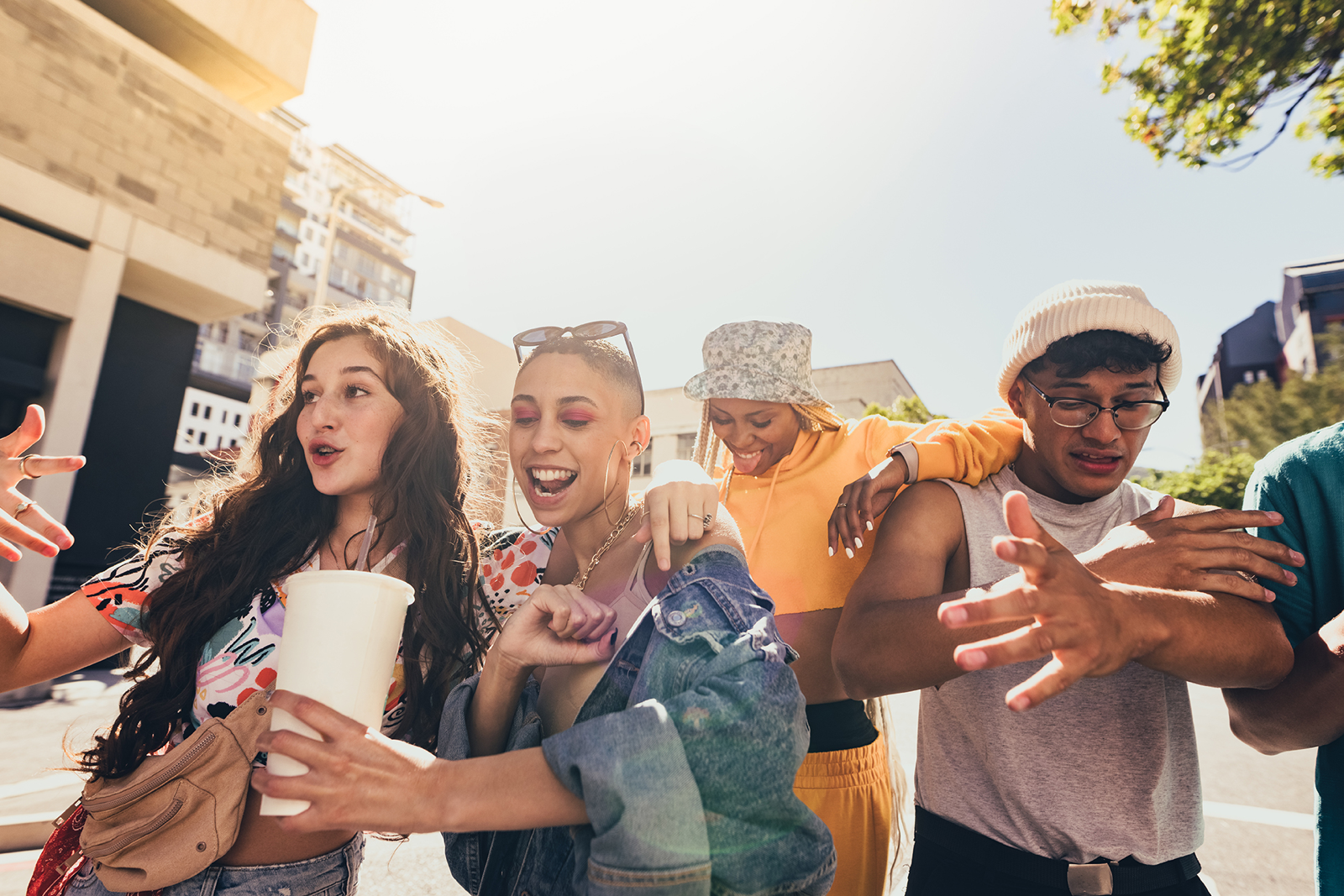
There’s a particular feeling that comes with a certain kind of small purchase. Not the weight of a considered investment or the wince of an obvious splurge—something lighter and more electric. A flash of this is exactly me. A small, deliberate claim of identity. A reminder that even on an ordinary Tuesday, you can reach for something that feels genuinely, specifically yours.
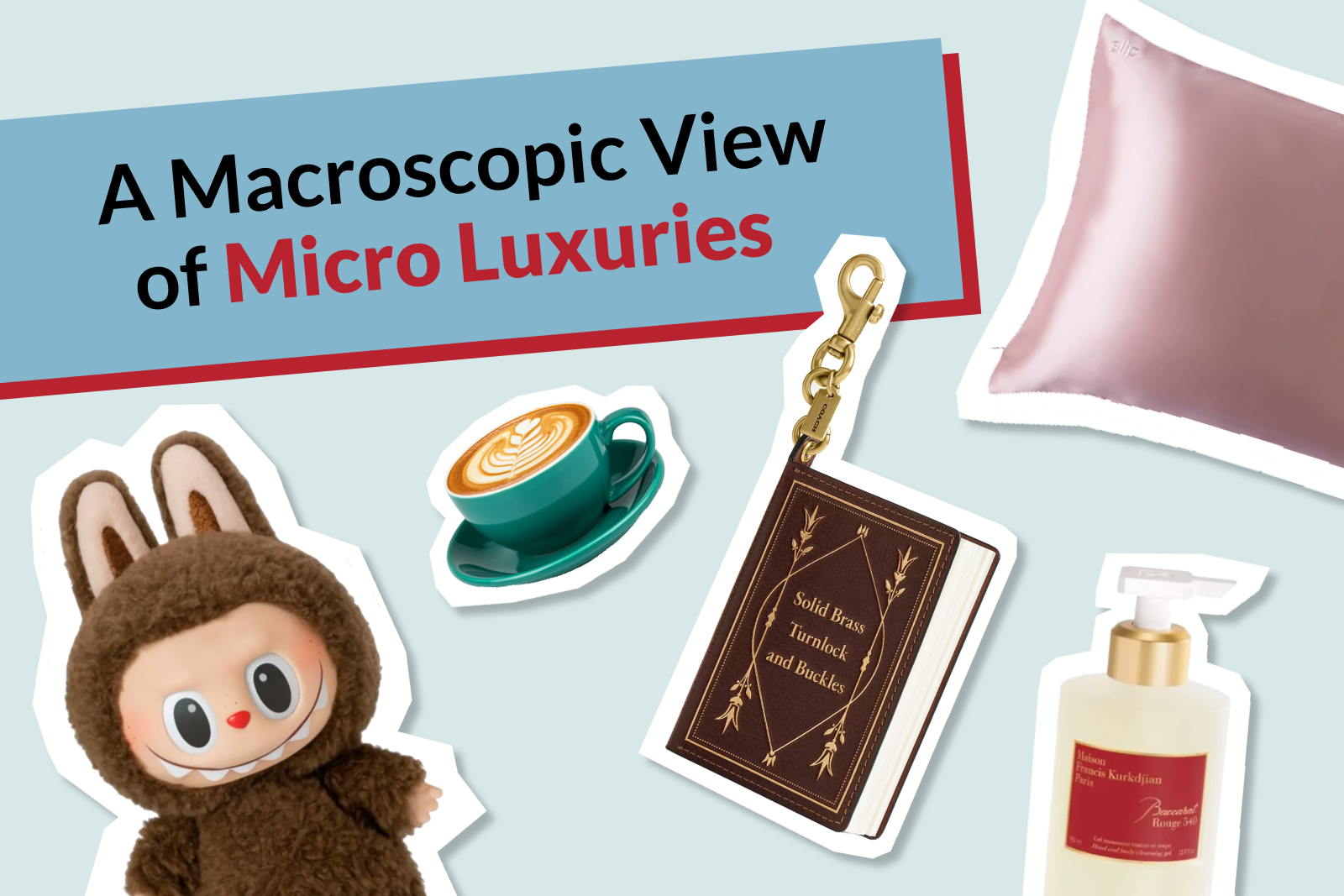
That gratifying feeling is driving a compelling brand loyalty story: the rise of micro luxuries. Items like fancy hand soap, silk pillowcases, or specialty at-home coffee. While the micro-luxury trend is often framed around economics, with small treats viewed as a response to financial caution, that perspective undersells what’s actually happening and overlooks brand opportunities.
Recognize that emotion drives behavior
Usually a discussion of micro luxuries hinges on the observation that in a time of financial uncertainty, small treats are a way for people to spend less while still feeling indulged.
The more nuanced story centers on what the desire for micro luxuries signals about your customers. Kantar BrandZ research finds that “meaningful brands” (those that create genuine personal relevance and make a positive difference in people’s lives) are five times more likely to be chosen over less meaningful competitors and can command a price premium of up to 24%.
Micro luxuries offer one way to make a meaningful, memorable, and everyday difference for your customers. However, micro luxuries are most effective as a Brand Devotion strategy when they reflect acts of real listening, not just smart pricing or the well-timed launch of a clever product.
Brands have an opportunity to observe how people already behave and then thoughtfully offer small indulgences—in the form of a product or a service—that resonate with the desire to belong, express identity, or participate in something that feels bigger than a simple transaction.
Take Gen Z’s lead
Belonging and identity aren’t new emotional drivers. But, amplified by Gen Z’s purchasing decisions in ways that are hard for brands to ignore, they’ve become increasingly visible and urgent.
Recent research found that across China, Germany, the U.K., and the U.S., 34% of Gen Zers report a willingness to buy on credit, roughly 13 percentage points higher than other generations. Gen Zers aren’t reckless, they hold two perspectives in tension: wanting financial security yet still game to splurge on things they decide are worth it. Their indulgence decisions are driven largely by trends and word of mouth.
The threshold for “splurgeworthy” among Gen Z isn’t set by price. It’s set by cultural resonance. A $95 book charm or a $15 blind-box plushie can clear that bar precisely because a community they already trust decided it should. That’s the type of signal brands need to pay attention to.
It’s important to remember that the human emotions that drive people to purchase micro luxuries—and be seen doing so—cross generations. Brands that find authentic ways to meet customers’ emotional needs through small, meaningful indulgences can build devotion among multiple audiences, not just younger cohorts.
Learn from brands doing it well
Coach and Pop Mart illustrate, from very different angles, how brands can be careful listeners. Each clocked and then responded to a human behavior signal rather than a market assumption.
In early 2026, Coach debuted miniature leather book charms customers could clip onto their handbags. The tiny, fully readable books were created in collaboration with Penguin Random House and feature popular titles that include Jane Austen’s Sense and Sensibility, Glennon Doyle’s Untamed, Celeste Ng’s Little Fires Everywhere, and others. Priced at $95, the book charms quickly sparked genuine cultural conversation, went viral, and sold out.
Coach didn’t manufacture the moment—the fashion brand recognized one that already existed: BookTok, a slice of the dominant social channel TikTok. The BookTok community has accumulated over 370 billion video views—and breakthrough titles routinely see sales increase by hundreds of percent. Coach designed something that belongs inside the BookTok world. The charms work because they’re identity objects, not just accessories. Also, the charms’ appeal isn’t age-specific; people’s relationships with books often span a lifetime.
Pop Mart approached the same idea from a different direction. The Chinese toy company behind the intensely popular Labubu dolls didn’t invent collecting. The emotional pull of rarity, completion, and community has driven that behavior for decades. Pop Mart read today’s mood and delivered small, expressive objects with a disproportionate emotional charge. Whether Labubus feed a sense of momentary escape, a playful rebellious streak, or simply a hunger for something vibrant in the middle of an ordinary day, they tap into real and powerful emotions.
Pop Mart founder Wang Ning landed on a formula that extends well beyond the object itself. Blind-box packaging creates suspense and invites repeat purchases—which Labubu will I get this time? Meanwhile, the community around the product does much of the cultural work. TikTok Live unboxings, drop celebrations, and fan-created content have turned a small collectible into a participatory ritual.
The business results are hard to ignore: Pop Mart’s revenue surged 185% year-on-year in 2025, reaching 37.12 billion yuan. Roughly 40% of that came from a single IP: “The Monsters” franchise, home to Labubu, which nearly doubled its share of total sales from the prior year. That kind of concentration isn’t a business risk—it’s a testament to what happens when a brand creates something people form a genuine attachment to.
The micro-luxury successes of Coach and Pop Mart aren’t connected by product type or price point. They share a winning methodology: Both brands pinpointed what their customers already cared about and showed up inside that world.
Keep listening
When it comes to strategizing micro luxuries, the question brands should ask isn’t: What small thing can we sell? Instead, brands should ask: Are we paying close enough attention to what our customers really want?
The micro luxury, done well, is evidence of that attention. It’s a brand saying: We see you—and not just as a consumer, but as a person with specific tastes and rituals that make you feel more like yourself. That recognition is what turns a $95 bag charm or a $15 blind box into something worth talking about, sharing, and returning for.
When consumer trust is hard-won and loyalty hinges on emotional resonance over transactional rewards, that quality of attention may be among the most valuable things a brand can offer.
Micro luxuries may be a revenue-boosting trend and a way to demonstrate your brand’s genuine attention to its customers. But as you strategize how to fold micro luxuries into your product lines, remember that the brands getting it right aren’t starting with the product. They begin by understanding their customers as people.
Maeghen Krueger is a director, Strategic Services, at The Lacek Group. For more than 30 years, The Lacek Group has been perfecting the art and algorithms of brand devotion. We help world-class brands identify their highest-potential customers, engage them across channels throughout their lifecycles, personalize each relationship for optimal long-term results, and measure the true effectiveness of those efforts. The Lacek Group is an Ogilvy One company.